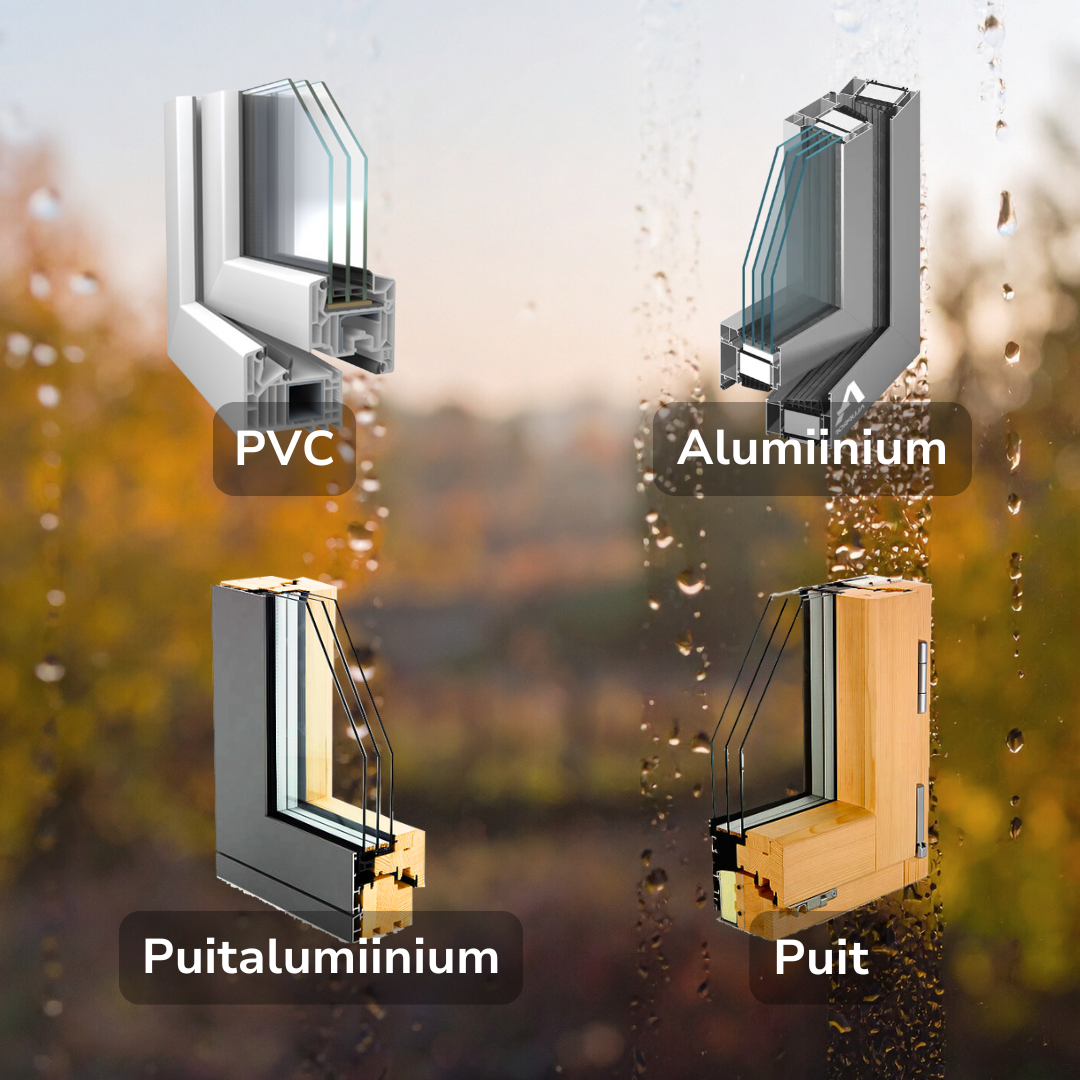
Choosing new windows can be difficult – there are many options, and prices and features vary. Here we compare the most popular window types so you can make an informed decision that pays off in the long run.
In this comparison:
- PVC windows
- Wooden windows
- Wood-aluminium windows
- Aluminium windows
PVC windows – innovation without compromise
PVC windows have made a huge leap forward over the last 15 years. Plastic windows used to be seen as a cheap solution with compromises, but modern systems based on A-class profiles, such as Softline 82 and Softline 70, are top-level in thermal insulation, sound insulation and security. PVC windows are made from a multi-layer plastic profile with up to 7 air chambers inside. These small air pockets act as natural insulators and stop cold air from moving – air is a poor conductor of heat, so heat loss is reduced significantly. Steel reinforcement inside the profile gives the window rigidity and strength, so the frame stays stable and does not sag, even after decades.
PVC window features:
- A-class profiles (wall thickness ≥ 2.8 mm) for strength and security
- Uw value from 0.64 W/m²K (suitable for passive houses)
- High-quality sound insulation – ideal for city apartments
- A very wide choice of colours and surface textures
- Minimal maintenance
Who are they for?
PVC windows suit any building – houses, apartments, new developments and energy-efficient renovations. Thanks to the wide choice of colours and finishes, PVC windows can be matched to any architecture. There are also special solutions that imitate the look of aluminium or wooden windows (especially with decorative glazing bars that create the classic divided-pane look of a wooden window).
Wooden windows – natural beauty, but also responsibility
Wood has always been a classic – warm, natural and attractive. Wooden windows are usually made from laminated timber, which is more stable than solid wood. They suit prestigious buildings, log houses and people who value a hand-crafted finish. Because of its porous structure, wood is a poor conductor of heat, which makes it an excellent window material: it keeps heat indoors and reduces energy loss.
Wooden window features:
- Very good thermal insulation with triple or quadruple glazing
- Can be tinted and stained to match the interior
- Very good regulation of indoor humidity
- Needs regular painting, at least every 5 years
- The finish is sensitive to UV radiation and weather
Who are they for?
Customers who value aesthetics and natural materials and are willing to maintain their windows. Wooden windows are often the only option allowed for listed heritage buildings, as they meet historical requirements in both material and appearance. They also suit you if you want a very natural solution for your house.
Wood-aluminium windows – beauty and durability in one
Wood-aluminium windows combine the best of both worlds: natural wood on the inside and a weather-resistant aluminium cladding on the outside. This gives you the look of a wooden window with a much longer lifespan and lower maintenance. Thanks to the wooden core, wood-aluminium windows have good thermal performance.
Wood-aluminium window features:
- Resistant to the outdoor environment – the aluminium protects the wood
- Very good thermal and sound insulation
- Less maintenance than solid wood
- Higher price; production is more complex and takes longer
Who are they for?
Wood-aluminium windows suit people who want the natural indoor climate and beauty of wood but don’t want the frequent maintenance of wooden windows.
Aluminium windows – modern and strong, but not for everyone
Aluminium is exceptionally strong and allows very slim profiles, making it ideal for large glazed areas and minimalist architecture. However, aluminium itself is a poor insulator and needs thermal breaks to avoid heat loss. With thermally broken aluminium profiles, very good thermal performance is possible (even at passive-house level). There are various aluminium profiles, each designed for different solutions and needs (read more here).
Aluminium window features:
- Suitable for very large and heavy glazed areas
- Very strong and weather-resistant
- Modern appearance
- Wide choice of colours
- High price
Who are they for?
Public buildings, commercial premises and apartment buildings where aesthetics and durability are priorities. Heavily used windows and doors (including entrance doors) and solutions that need automation. Thanks to their strong, stable profile, aluminium windows make possible what other materials can’t – large glass façades, glass roofs or very large windows that need structural strength and minimal frames.
Price comparison in percentages
Indicative price range per m²:
| Window type | Price €/m² | Compared with PVC |
| PVC windows | €140 | 0% (base) |
| Wooden windows | €245 | +75% |
| Wood-aluminium | €310 | +121% |
| Aluminium windows | €360 | +157% |
✔ PVC windows are up to 1.5 times cheaper than wooden windows – yet with A-class profiles they offer similar (or better) thermal and sound insulation.
Which window profile is right for you?
✔ A smart investment: PVC windows are technologically advanced and cost-effective – ideal if you want comfort and savings.
✔ Aesthetic classic: wooden windows are close to nature but need care.
✔ Premium solution: wood-aluminium is uncompromising if price is no object.
✔ Industrial durability: aluminium suits buildings where strength and glazing size matter.
Request a quote or come and see our samples
Our experts will help you find the best solution for both your budget and your building.
👉 Request a free quote here
Frequently asked questions
Which windows are the most energy efficient?
PVC windows, especially models with A-class profiles (e.g. Softline 82 and 70), offer a very low Uw value from 0.64 W/m²K, which also suits passive houses. Wooden and wood-aluminium windows also insulate well, but PVC windows usually achieve this at a lower price.
How much more expensive are wooden or aluminium windows compared with PVC?
On average, per m², wooden windows are about 75% more expensive, wood-aluminium windows 121% and aluminium windows 157% more expensive than PVC windows.
Which windows need the least maintenance?
PVC windows need the least maintenance – occasional cleaning and checking the seals is enough. Wood-aluminium windows also need little care thanks to the aluminium cladding, while solid wooden windows need repainting every 5 years.
Which windows suit large glazed areas and modern architecture?
Thanks to their strength and slim profiles, aluminium windows are ideal for large glazed areas and minimalist architecture. They also suit public and commercial buildings well.
I want windows that look like wood but are maintenance-free. Which should I choose?
PVC windows are available with wood-effect finishes (including decorative glazing bars). Wood-aluminium windows are also a good fit if you want real wood on the inside with minimal maintenance.
Want to know which profile suits your house?
Our experts will help you work out which profile best suits your home, climate and budget. Contact our team HERE